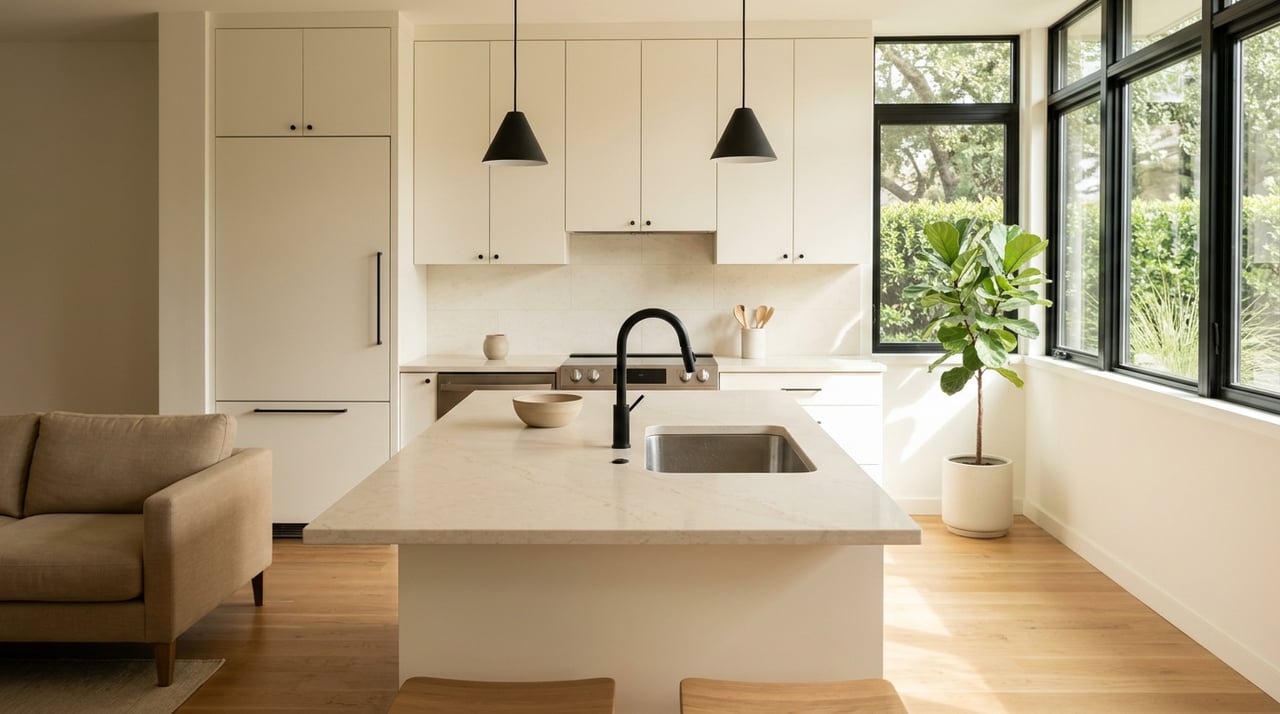
Thinking about opening up your Crestview kitchen or adding space in Great Hills or Jester? With Austin’s 2024 technical codes taking effect July 10, 2025, permits and paperwork may look different than the last time your neighbors remodeled. You want a smooth process, clear steps, and no surprises with inspections.
In this guide, you’ll learn what work usually needs a permit, how the City’s process works, what to expect under the 2024 codes, and NW Austin specifics like tree protection and HOAs. You’ll also get a simple checklist you can use to get started. Let’s dive in.
What changed in 2024 technical codes
The City of Austin adopted the 2024 technical codes, effective July 10, 2025. Any permit applications filed on or after that date must follow the new requirements. These codes cover building, residential, electrical, plumbing, mechanical, energy, fire, and related standards used to review your plans.
Here’s what you should expect when remodeling:
- Stronger energy and building-envelope requirements. You may need to provide energy documentation, such as a compliance report similar to REScheck, to show your insulation, windows, and HVAC meet code.
- Updated mechanical and ventilation rules. Bathroom and kitchen ventilation, and changes to HVAC systems, often trigger specific design and documentation.
- More scrutiny of electrical service capacity. If you add EV charging, upgrade HVAC, or install high-load appliances, expect a closer look at your panel and possible utility coordination.
- Local amendments. Austin adopts model codes with local changes. Plan reviewers will check for these during review.
Do you need a permit?
Work that typically needs a permit
- Structural changes like removing a load‑bearing wall, cutting new openings, or adding beams, posts, or foundation work.
- Additions, new enclosed square footage, and conversions that affect occupancy or egress.
- Electrical, plumbing, or mechanical system changes beyond simple repairs. This includes new circuits, moving plumbing fixtures, replacing or relocating HVAC units, and water heater changes that affect capacity or location.
- Re‑roofing in many cases, exterior structural repairs, and new or replacement decks.
- Window or door changes that enlarge openings, affect egress, or require header and framing changes.
- Gas piping changes, whole‑home generators, and solar PV systems.
Work often exempt (verify before you start)
- Cosmetic updates like painting, wallpaper, and non‑structural trim.
- In‑kind minor repairs that do not alter systems, like replacing a faucet without moving plumbing. Always confirm with Development Services before proceeding.
Owner‑builder and licensing
Property owners may be able to pull owner‑builder permits in Texas, but many trades require licensed contractors. Electrical, plumbing, and HVAC work typically must be performed by licensed professionals. Verify both licensing and permit responsibilities before you apply.
How to permit your remodel
Step 1: Pre‑submittal preparation
- Define scope and confirm if a permit is required.
- Gather property data. For exterior work, have a survey or site plan showing structures, setbacks, and trees.
- Engage pros as needed. Architects or designers for additions, structural engineers for structural changes, and licensed trades for MEP work.
- Check zoning, overlays, and HOA rules. Historic or neighborhood overlays and HOA design reviews can affect your plans.
Step 2: Pre‑application consultation
For larger or complex projects, request a pre‑submittal meeting with City staff. Use it to identify required documents, site constraints, tree protection, floodplain issues, and impervious cover limits.
Step 3: Submit your application
Use the City’s online permitting portal to submit your application. Typical items include:
- Application form and a clear scope‑of‑work narrative.
- Site plan or survey, floor plans, and elevations if applicable.
- Structural calculations and details for framing or foundation changes.
- Mechanical, plumbing, and electrical plans when systems are altered.
- Energy compliance documentation required under the 2024 codes.
- Contractor or owner information and fees based on project valuation.
Step 4: Plan review
The City will review your plans for building, energy, electrical, plumbing, and mechanical compliance. Expect review comments and required corrections. Moderate remodels often take several weeks for the first review. Resubmittals add additional review cycles.
Step 5: Permit issuance and pre‑construction
Once your plans are approved and fees are paid, the City issues the permit. Post it on site. Put required protections in place before work starts, such as tree protection and erosion controls if applicable.
Step 6: Inspections
Common inspections include site/footing, foundation, underground MEP, rough framing, rough MEP, insulation and air barrier, final MEP, and final building. Schedule through the City’s system. Lead times vary from next business day to longer based on demand. Address any corrections quickly to keep your project moving.
Step 7: Final approval
After all final inspections are approved, the permit is closed. Keep all documents for your records. Final approvals can help with resale and insurance.
Timelines, fees, and common delays
Typical timelines
- Simple permits for single‑trade repairs or small projects can move through review in days to a few weeks.
- Moderate remodels with structural changes or multiple trades usually take several weeks for initial plan review. Larger or complex projects may take months through plan review and inspections.
- Inspection scheduling ranges from next business day to over a week depending on workload.
Fees to expect
- Permit fees are usually based on project valuation and by trade. Specialized reviews or inspections can add costs.
- Utility‑related fees can apply when you upgrade electrical service or add major equipment.
How to avoid delays
- Provide a complete, accurate submission. Common misses include surveys, structural calculations, and energy documentation.
- Respect local amendments. Tree protection, impervious cover, and compatibility rules are common sticking points.
- Solve zoning and setback issues early. Clarify any historic or neighborhood overlays before design is final.
- Confirm contractor licensing and insurance.
- Budget time for new code provisions that require extra documentation, especially energy and ventilation.
NW Austin specifics: Crestview, Great Hills, Jester
Zoning and overlays
Many single‑family lots in NW Austin use SF‑2 or SF‑3 type zoning. Setbacks, height, and lot coverage will shape your addition. Confirm your exact zoning and any neighborhood overlays before finalizing layout.
Trees and site constraints
Austin’s tree protection rules often apply. Large trees and root protection zones can limit addition footprints and may require permits or mitigation. An arborist report or site plan may be needed if trees are impacted.
Floodplain and drainage
Check FEMA floodplain maps and City drainage requirements. Even local drainage patterns can require grading plans or stormwater measures.
Utilities and service coordination
If you add high‑load equipment like EV charging, larger HVAC, or a full kitchen overhaul, coordinate with Austin Energy for service capacity and with Austin Water for plumbing or sewer changes.
HOA coordination
Subdivisions, including parts of Great Hills, may have HOA design reviews. Submit to the HOA and the City in parallel when possible to save time.
Construction hours and neighbor relations
Follow City noise ordinances and neighborhood norms for work hours. Good communication can prevent complaints and enforcement delays.
Documents checklist
Gather these before you apply:
- Signed permit application and a clear scope‑of‑work narrative.
- Current survey or site plan showing property lines, existing and proposed work, setbacks, and tree locations.
- Floor plans, sections, and details for structural changes.
- Structural calculations for framing or foundation modifications.
- Mechanical, plumbing, and electrical plans for any system changes.
- Energy compliance documentation required by the 2024 codes.
- Contractor licenses and insurance, or owner‑builder documentation if applicable.
- Required reports, such as arborist or drainage studies.
- Utility coordination paperwork for meter or service upgrades, if needed.
Smart planning tips
- Start early if your project may cross July 10, 2025. Plan to meet the 2024 codes and build energy and ventilation requirements into your design and budget.
- Use Austin‑savvy professionals. Local architects, engineers, and licensed trades who know City processes and tree rules can shorten review cycles.
- Confirm permit triggers before you demo. Skipping a required permit can lead to stop‑work orders, rework, fines, and future resale issues.
- Keep clear records. Save permits, approved plans, inspection logs, and final sign‑offs for your files.
- Coordinate utilities at the same time as permitting, especially for electrical service upgrades and EV or solar plans.
If your project crosses July 10, 2025
- Confirm whether your application will be filed before or after the effective date. Applications on or after July 10, 2025 must meet the 2024 codes.
- Gather energy and mechanical documents early. This avoids review holds.
- Schedule a pre‑submittal meeting for complex scopes. It can surface tree, drainage, and setback issues before you design too far.
Ready to talk through scope, budget, and timing before you apply? Our family team can help you plan your remodel with resale in mind and coordinate the right local pros. Reach out to Unknown Company for friendly, bilingual guidance.
FAQs
Do Crestview kitchen updates need a permit under the 2024 codes?
- If you only replace countertops or similar finishes, you likely do not need a permit. Moving plumbing, adding new electrical circuits, changing ventilation, or structural alterations usually requires permits. Confirm with the City before starting.
Will I have to upgrade unrelated systems to meet the 2024 codes?
- The 2024 codes apply to the work you are permitting. Full retrofits of unrelated systems are not typically required. Repairs or replacements that meet code thresholds must comply with current requirements.
How long does a typical NW Austin addition take to permit?
- Moderate additions often take several weeks for initial plan review. Multiple review cycles can extend that timeline, and inspections add time. Large or complex projects may take months from submission to final.
What causes the most permit delays in NW Austin neighborhoods?
- Incomplete submissions, missing energy or structural documentation, tree protection issues, conflicts with setbacks or overlays, contractor licensing gaps, and new code documentation needs are common causes.
Do I need HOA approval in Great Hills along with City permits?
- Many subdivisions and HOAs require separate design review. Submit your HOA package at the same time as your City permit to avoid schedule gaps.